FAO Committee Pushes Science and Digital Infrastructure to Reshape Global Food Systems
Think major international food policy summits actually change what ends up on your plate?
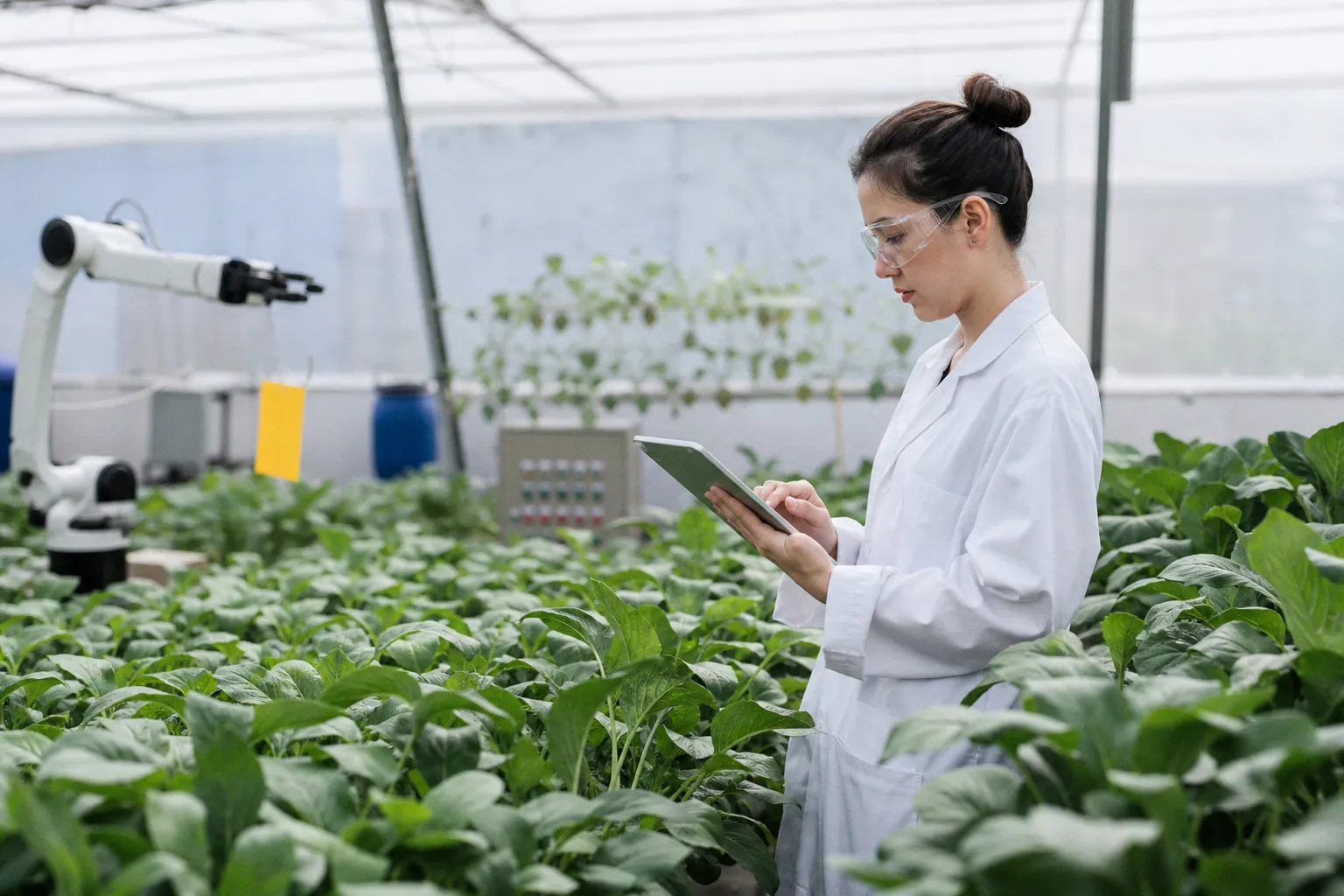
The Food and Agriculture Organization just opened the 30th Session of its Committee on Agriculture in Rome, and the pitch is unmistakable: science, technical innovation, and digital public goods are the levers to transform how the world grows, processes, and distributes food. For anyone working in food science, R&D, or supply-chain tech, this is the FAO officially putting its institutional weight behind what the industry has been whispering about for years — and the signal matters.
What the FAO Is Actually Saying
The summit's message distills to three pillars: lean on hard science, deploy technical innovation without romanticizing it, and treat digital infrastructure — data platforms, open-source tools, traceability systems — as public goods rather than corporate luxuries. If you've been around food-policy circles long enough, you know this language can mean everything or nothing. But when FAO frames "digital public goods" as a transformation vector at Committee level, it's telling member states: fund it, regulate for it, stop treating precision agriculture and digital traceability as optional upgrades.
The concept of digital public goods in agrifood is worth unpacking. Think open-access crop disease databases, shared genomic libraries for cultivar development, interoperable supply-chain tracking — tools no single company would build for the public but that raise the baseline for everyone. The FAO's position is that these aren't nice-to-haves; they're infrastructure, the same way cold chains and port logistics are.
Why This Matters to the Food Science Crowd
Here's the cynical bit: every FAO committee session produces communiqués. What makes this one interesting is the convergence point. "Science, innovation, and digital" isn't a new slogan — but the context is. Global agrifood systems are under simultaneous pressure from climate volatility, supply-chain fragility, and regulatory tightening around food safety and sustainability claims. The FAO isn't just asking for better farming; it's asking for better data architecture across the entire food pipeline.
For food technologists and product developers, the practical signal is this: expect more regulatory interest in digital traceability, more funding pipelines that tie innovation grants to data-sharing commitments, and more pressure to back up processing claims with verifiable, digitized evidence chains. If your lab or company still runs on spreadsheets and tribal knowledge, this is the institutional nudge telling you that's becoming a liability.
The broader food-science implication is about interoperability. When the FAO talks digital public goods, it's implicitly pushing toward standardized data formats across borders — which affects everything from ingredient sourcing verification to how you document shelf-life studies for export markets.
The Bottom Line
A few things worth watching if you're in the food science or agritech space:
- Follow the funding. When FAO uses committee-level language around digital public goods, development banks and national programs tend to align their grant structures accordingly. Watch for new calls that require open-data commitments.
- Audit your own data readiness. Whether you're in R&D, QA, or supply-chain management, ask yourself: could you produce a digitized, audit-ready trail from raw material to finished product tomorrow? If not, you're falling behind the direction of travel.
- Don't confuse the signal with the noise. Not every FAO communiqué translates to immediate regulatory change. But the consistent emphasis on science-backed, digitally verifiable food systems has been building for years — this session confirms it's not going away.
The FAO can't force a single processor to upgrade their traceability stack. But it can shape the policy environment that makes doing nothing increasingly expensive. That's the part worth paying attention to.