National Award Expands Student Research Opportunities in Food Biotechnology
Think CRISPR in food means sci-fi tomatoes? Not this time. Alabama A&M University says a new USDA-NIFA award will fund its first CRISPR-based research and training program, giving students hands-on…
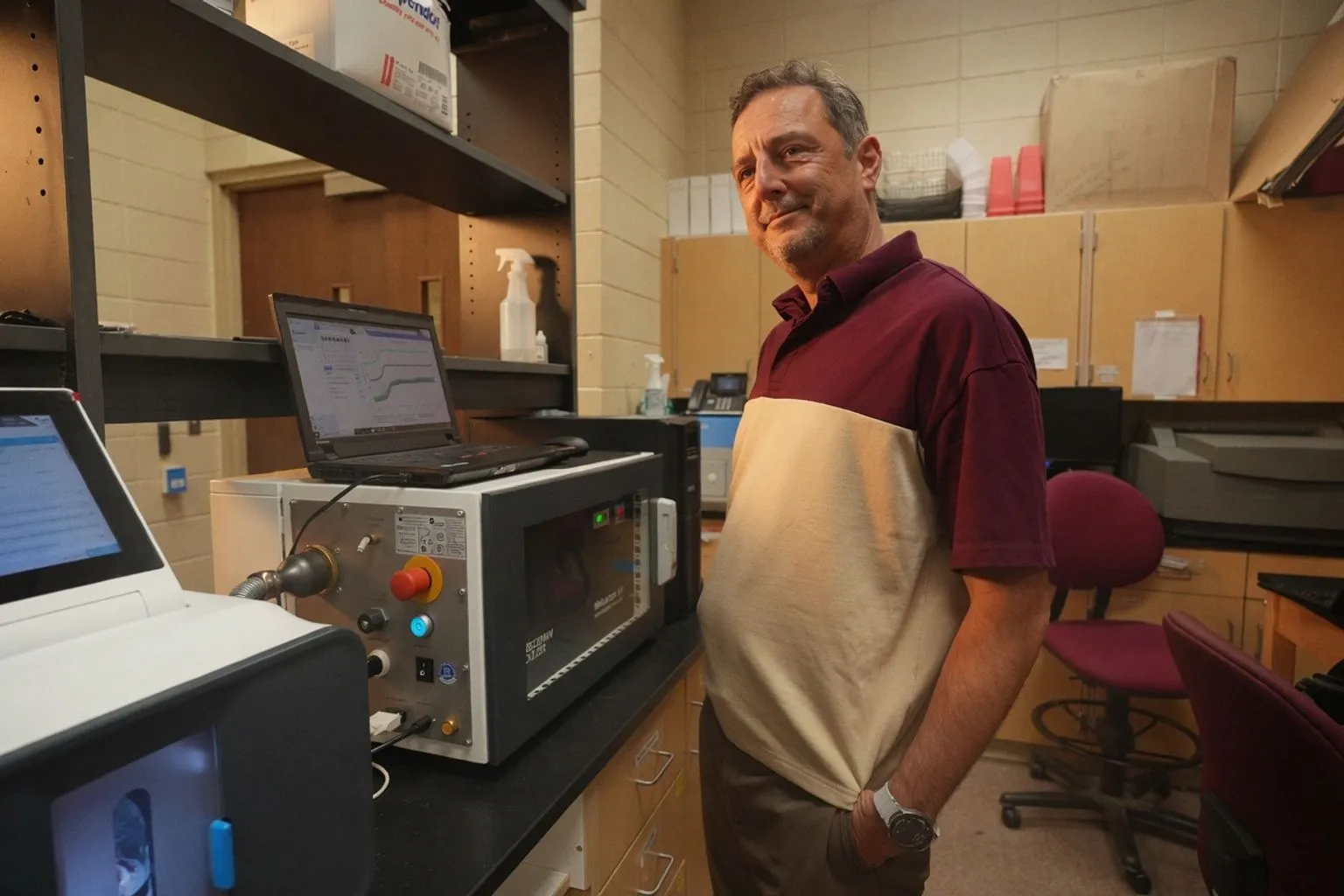
Think CRISPR in food means sci-fi tomatoes? Not this time. Alabama A&M University says a new USDA-NIFA award will fund its first CRISPR-based research and training program, giving students hands-on work with an oil-producing yeast used as a model for food ingredients and renewable fuels.
For anyone watching food biotechnology, this is the useful bit: the project is not a product launch, not a supermarket claim, and not a “gene-edited food is coming tomorrow” headline. It is capacity-building — the less glamorous, more important pipeline where future food scientists learn the tools before industry turns them into ingredients.
The grant puts CRISPR into student training, not just press releases
According to Alabama A&M, the university received a $300,000, three-year award from the U.S. Department of Agriculture’s National Institute of Food and Agriculture. The project is titled “Building Capacity in CRISPR/Cas9 Research at AAMU Using the Oleaginous Yeast Yarrowia lipolytica as a Model.”
Translation from grant-speak: students will learn gene-editing by working on a yeast that can make oils. CRISPR/Cas9 is the “molecular scissors” tool here — a way to make targeted changes in DNA. The university says the program will involve undergraduate and graduate students working with faculty on research tied to sustainable food production and renewable energy technologies.
The work will be led by Dr. Stylianos Fakas, associate professor of food biotechnology in the Department of Food and Animal Sciences. Alabama A&M says the project will establish its first CRISPR-based research and training program, which matters because food biotech does not scale on buzzwords. It scales on trained people who can run experiments, read messy data, and not confuse a petri dish with a product roadmap.
The organism: Yarrowia lipolytica, the oil-making workhorse
The model organism is Yarrowia lipolytica, described by the university as a naturally occurring yeast capable of producing oils that can be used in food products and renewable fuels. That makes it a practical teaching platform: students can connect gene edits to lipid production, rather than treating CRISPR as a magic wand.
The project will use CRISPR to identify and modify genes involved in lipid production. The goal, as described by the university, is to improve lipid yields and better understand how cells regulate lipid metabolism.
In plain English: researchers want to learn which genetic switches help the yeast make more oil, and how those switches behave inside the cell. That is classic food biotechnology territory — not “clean label” theater, not influencer nutrition fog, but the industrial backbone behind ingredients, fermentation systems, and bioprocessing.
Students will conduct experiments in the Food Biotechnology Laboratory at Alabama A&M’s Agricultural Research Center. The university says the program will combine hands-on research, coursework, laboratory techniques, biotechnology skills, and critical thinking. That last phrase gets abused in academia, sure. But in food science, it means something very concrete: knowing when a yield increase is real, when contamination ruined the run, and when the data are just politely lying to your face.
Why this matters for food science students and industry watchers
The project also includes an international partnership with Dr. Seraphim Papanikolaou, professor of food biotechnology and bioprocesses at the Agricultural University of Athens in Greece. Alabama A&M says students may take part in short-term training abroad, collaborate with faculty, attend seminars, and gain exposure to global food systems and biotechnology research.
That global angle is not decorative. Food ingredients, fermentation platforms, and renewable fuel research already cross borders. If students are being trained on CRISPR, lipid metabolism, and microbial oil production in an international setting, they are getting a view of the field as it actually operates — regulated, technical, collaborative, and occasionally buried under acronyms.
For readers, the practical takeaway is simple: don’t treat every CRISPR headline as a consumer product announcement. This one is about workforce and research capacity. Watch for what comes next: student projects, published findings, improved lipid-production methods, and whether the program produces graduates who move into food science, biotechnology, or agricultural research.
That is where the real impact will show up. Not in a shiny label. In the lab bench-to-bioprocess pipeline.