Wayne State plans public health school amid federal research aid cuts
I’ve been watching the quiet reshaping of public health education in America, and a recent move in Detroit catches my eye. Wayne State University is pushing forward with a standalone School of Public Health, a plan years in the making.
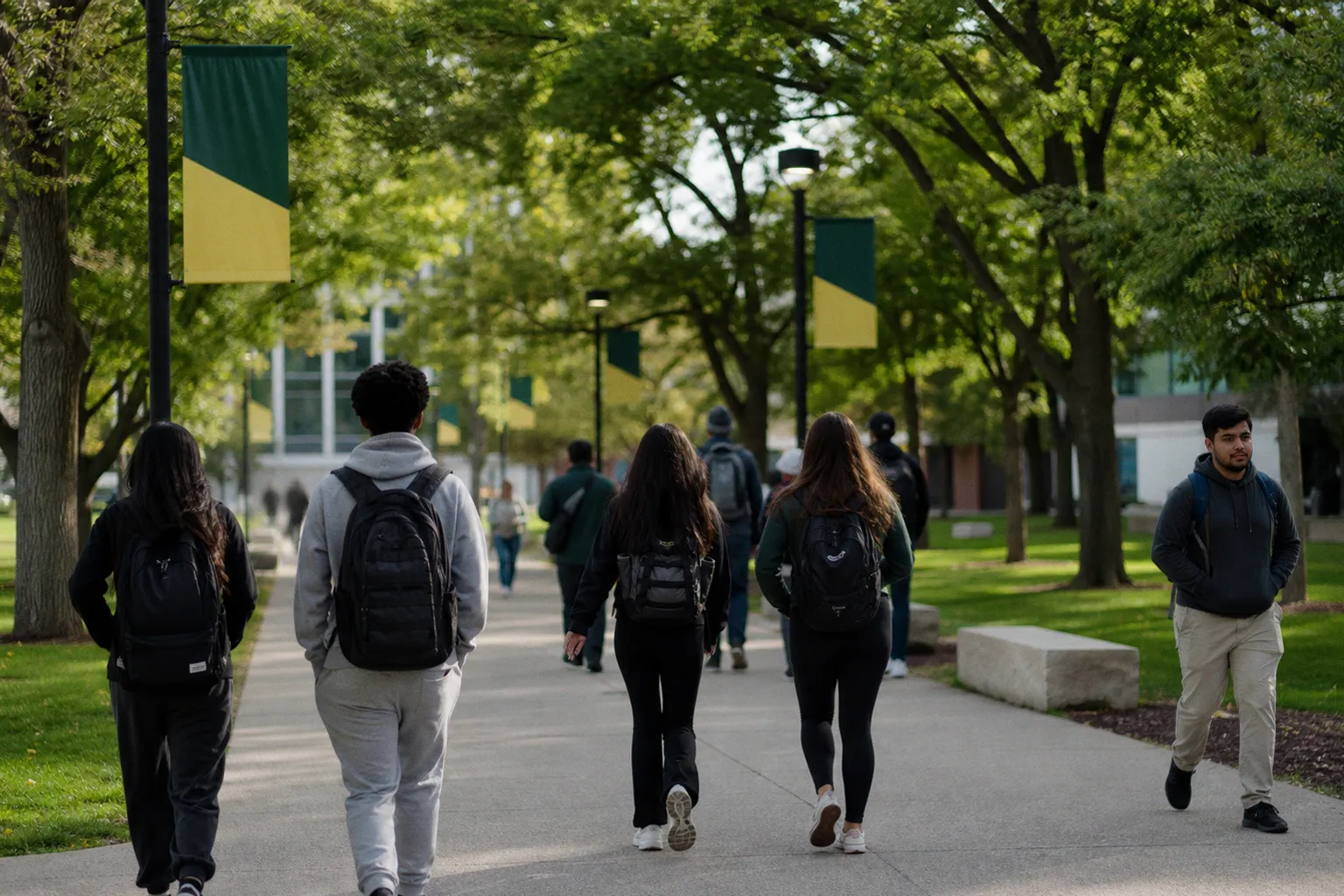
A School Built from the Ground Up, Literally
The vision here is deeply rooted in soil and community. Wayne State’s leaders see their greatest asset not in abstract research grants alone, but in their existing, embedded partnerships across Detroit. Dr. Bernard Costello, the university’s health affairs lead, describes a future school that will be “inherently actionable.” Imagine a place where the curriculum might start not with textbook epidemiology, but with the asthma complications plaguing certain neighborhoods, or the food access maps that correlate with nutrition-related diseases. The aim is to cultivate practitioners who can work within the tapestry of local life—community health workers, data scientists who understand on-the-ground needs, and policy advocates who know the city’s history. For those of us interested in how dietary patterns are shaped by environment and access, this symbiosis between a university and its city is a living laboratory.
The Shadow of Funding and the Need for People
This ambitious plan unfolds against a challenging backdrop. Federal research dollars for public health have been cut significantly, with grants for vital studies—including one focused on understanding preterm births among Black mothers in Detroit—being abruptly terminated. The field is also navigating a leadership transition at the national level. Yet, the need for skilled people is described as desperate. Post-COVID retirements have opened up roles in environmental health, community education, and policy. A University of Michigan analysis projects strong job growth in public health through 2032. This creates a crucial window. For anyone passionate about food systems and health equity, training at an institution focused on immediate, local application could mean a career spent not just studying problems, but helping to cultivate solutions from within the communities that need them most.
What This Means for Our Plate and Our Practice
So, what do we take from this as individuals navigating our own health journeys? This story is a reminder that the health of a community is a ecosystem, and what we eat is one vital strand in that web. Detroit’s challenges with infant mortality and chronic disease are stark, but they are also extreme manifestations of pressures felt in varying degrees everywhere: poverty, environmental factors, and unequal access to nourishing food. A school like the one Wayne State proposes aims to train the architects of healthier local food and health systems.
The practical takeaway for us is one of awareness. Supporting local public health initiatives, understanding where your food comes from, and recognizing the community health workers in your own neighborhood are all ways we participate in this larger system. The future of public health may very well be growing in places like Detroit—action-oriented, community-embedded, and acutely aware that the path to wellness is paved with both science and a deep respect for the human context. It’s a model that asks us to see our own plates not in isolation, but as part of a much wider, shared harvest.