dsm-firmenich Awards 2026 Nutrition Research Grants for Healthy Longevity in Asia Pacific
dsm-firmenich has just announced the recipients of its 2026 Nutrition Research Grants, focusing squarely on a challenge that defines our time in Asia Pacific: how to close the widening gap between our lifespan and our healthspan.
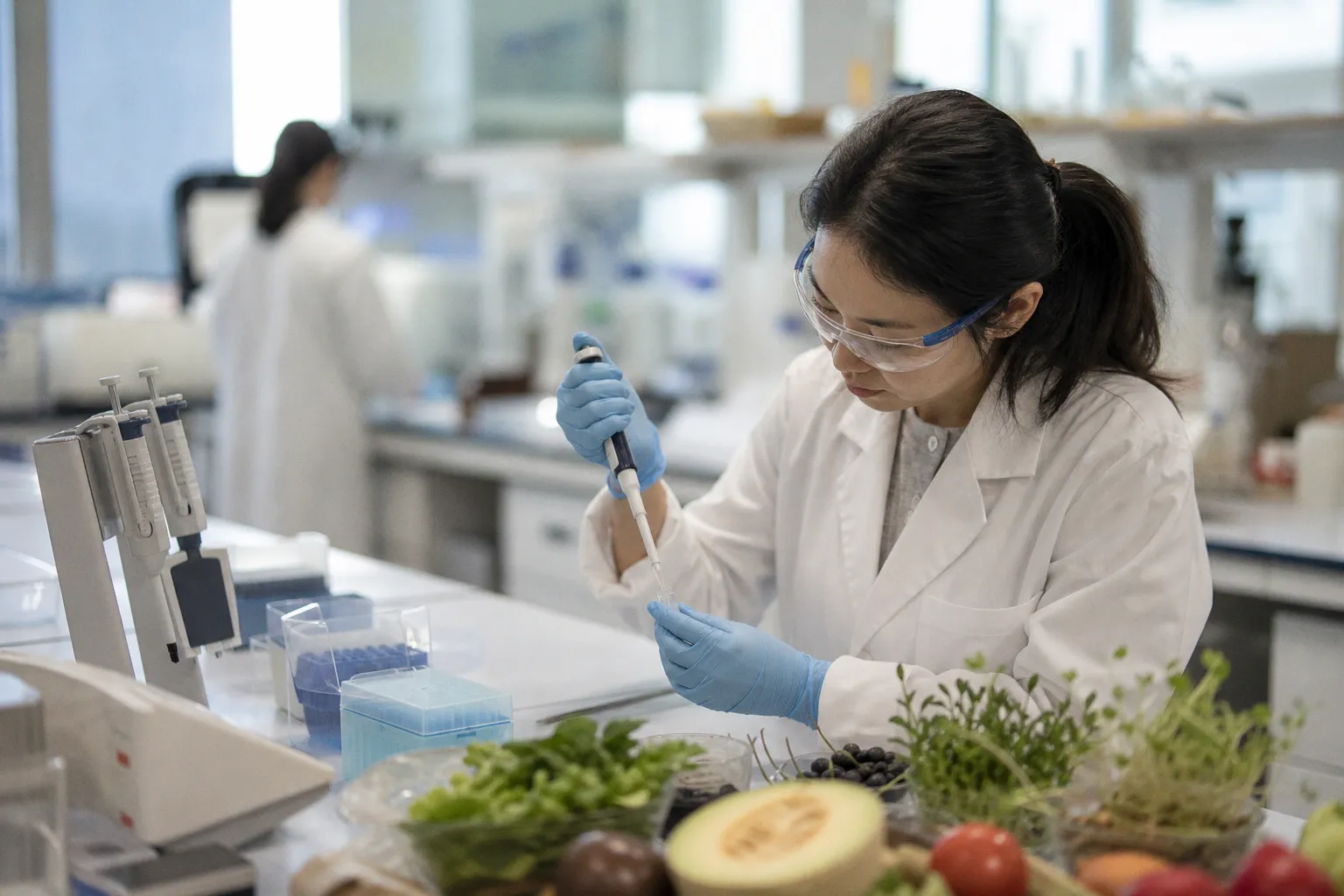
The Five Seeds of Longevity Science
This year’s theme, ‘Age Slower, Age Better,’ moves beyond general wellness into specific, measurable interventions. The funded projects read like a targeted toolkit for biological aging. Researchers in Australia are investigating whether postbiotic supplements can improve physical function in pre-frail older adults. Others, spanning Australia, South Korea, New Zealand, and Singapore, are exploring the synergistic effects of dietary patterns rich in polyphenols and omega-3s, the role of vitamin D in muscle health, omega-3’s impact on body composition during perimenopause, and even how combining compounds like trigonelline and CoQ10 might boost cellular energy production. Each grant represents a focused inquiry into a specific lever we might pull to influence how we age.
A Region at the Forefront of an Unprecedented Shift
The urgency here is deeply geographic. As the grant program notes, one in four people in Asia Pacific will be over 60 by 2050. This isn’t a distant statistic; it’s the demographic backdrop to our collective future. Tina Low of dsm-firmenich pointed to a troubling disconnect: the average person may spend their last decade in ill health. This program, therefore, is more than corporate philanthropy—it’s an investment in regional resilience. The reference to Europe’s DO-HEALTH study, which demonstrated that a combination of algal omega-3, vitamin D, and exercise could slow biological aging by nearly four months over three years, provides a compelling proof-of-concept. It suggests that the answers these Asia-Pacific researchers seek are not theoretical; they are interventions waiting to be refined and localized.
What This Means for Your Plate and Perspective
For those of us navigating our own aging or caring for aging loved ones, this research underscores a shift in thinking. It moves us from passive acceptance of decline to active engagement with biology. The focus on nutrients and bio-actives—from postbiotics to specific vitamin D associations—highlights that our daily choices are conversations with our cellular machinery. The emerging narrative is one of symbiosis: our dietary patterns, when thoughtfully designed, can become allies in maintaining vitality. Keep an eye on these studies as they unfold. They are quietly building the evidence base for what it truly means to age with grace and function in the decades ahead.