India’s bioeconomy surges to US$190 billion as science and technology transform economic growth
India’s bioeconomy has undergone a substantial expansion, reportedly growing from approximately US$10 billion in 2014 to over US$190 billion in 2026, as per data shared by IANS.
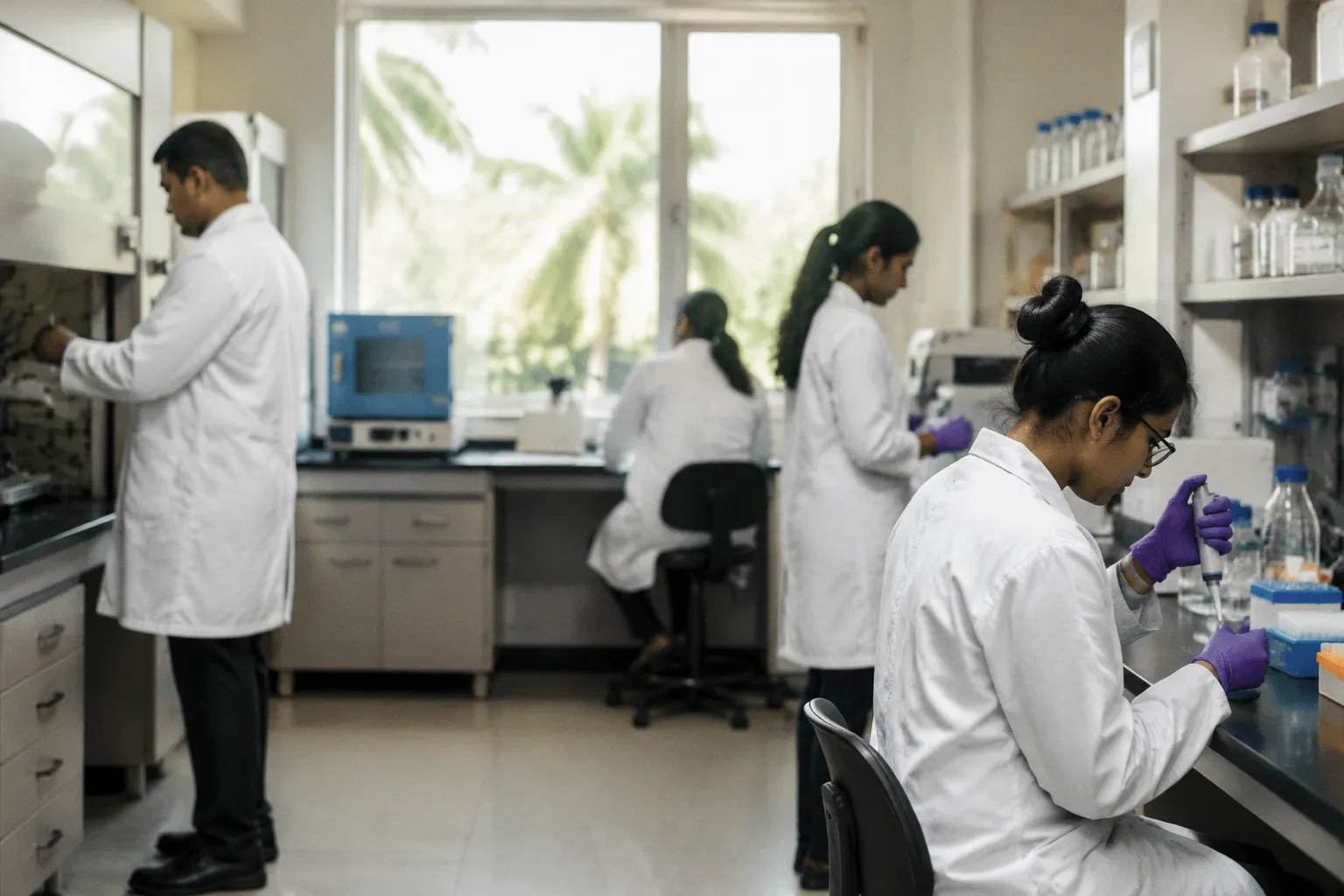
Biotechnology as a Primary Growth Driver
The reported expansion is anchored in the biotechnology sector, which has seen advances in areas directly relevant to nutritional science. Data indicates development in diagnostics, precision medicine, and genomic technologies. These fields underpin the study of individualized nutritional interventions and the biochemical pathways governing metabolism. The stated goal of fostering home-grown solutions for health challenges suggests a scaling of domestic R&D capacity, which could accelerate the investigation of region-specific dietary metabolisms and nutraceutical efficacy.
Implications for Clinical Nutrition Research
From an efficacy-analysis perspective, a burgeoning national bioeconomy typically correlates with increased capital allocation for clinical trials and laboratory infrastructure. This environment may facilitate more robust, statistically significant studies into bioactive compounds, bioavailability, and the pharmacokinetics of food-derived molecules. The reported focus on “advanced healthcare technologies” could also mean greater investment in analytical platforms for metabolomics and proteomics, which are critical for validating the mechanisms of action behind dietary components beyond observational epidemiology.
A Necessary Critical Appraisal
While the reported growth figures are notable, their direct impact on the quality of clinical nutrition science requires careful scrutiny. The trajectory from a larger economic base to higher-quality, statistically powered trials is not automatic; it is mediated by research funding priorities, methodological rigor, and a focus on mechanistic understanding over commercial hype. The absence of granular data on the allocation of this US$190 billion across sub-sectors—from agri-biotech to pure therapeutics—makes it difficult to quantify the precise uplift for nutrition-specific research. One should track whether this expansion is mirrored in an increased publication volume of high-impact clinical nutrition trials originating from Indian institutions in the coming years.