Check beef labels for regenerative organic certifications
So you’re standing in the meat aisle, eyeing that package with the sun-drenched pasture and the word “regenerative” in a rustic font. You want to do right by the planet, maybe your health.
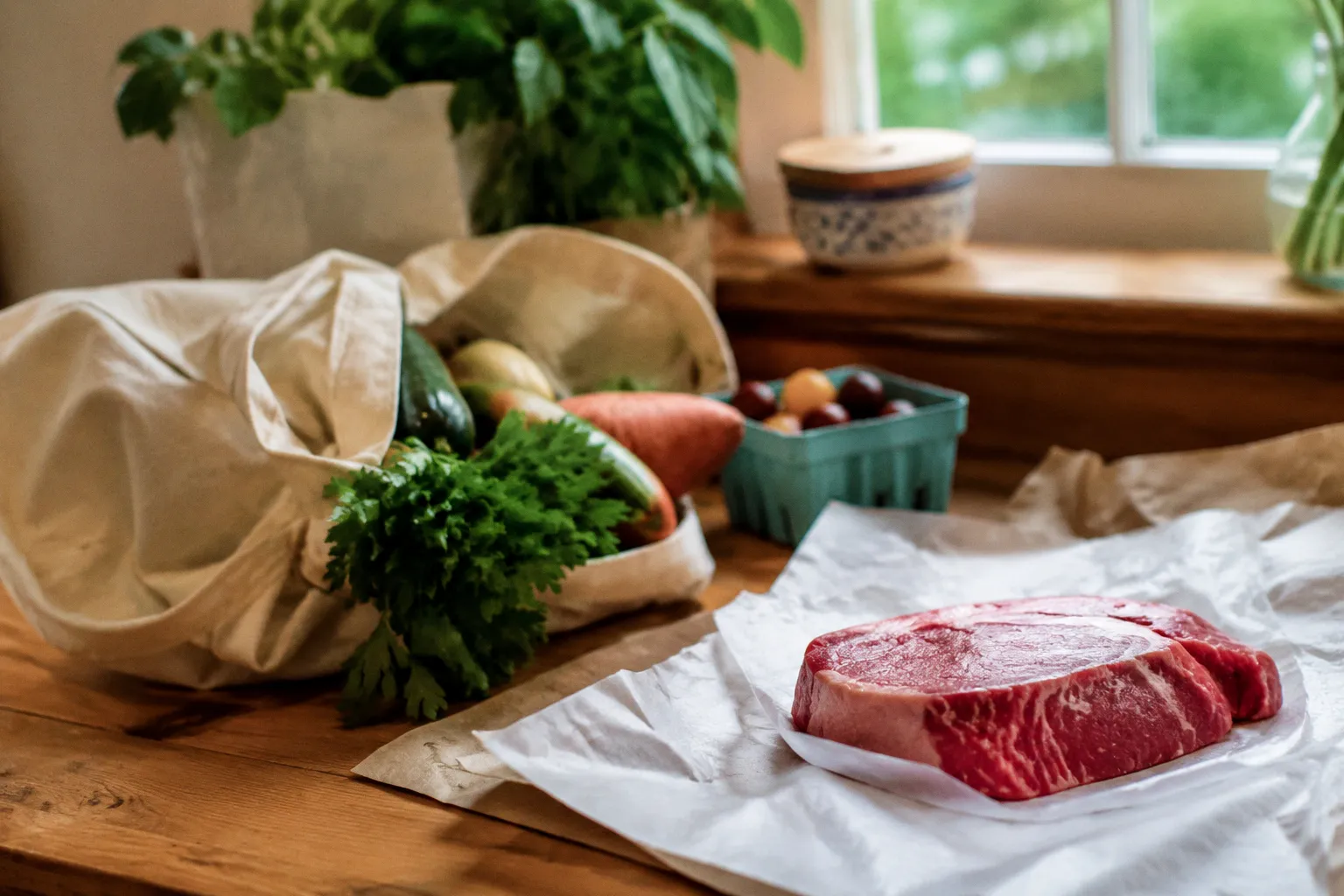
The Regulatory Gap: Why 'Regenerative' Isn't a Protected Term
First, the unvarnished truth: “regenerative” on a US beef label is a claim, not a guarantee. The USDA has no formal, legally defined standard for it. That means a ranch using some cover crops and a ranch sequestering tons of carbon while boosting biodiversity can both use the same word. It’s a classic greenwashing hotspot. The term can be slapped on packaging alongside earthy colors and pictures of happy cows, creating an emotional appeal that has nothing to do with verified outcomes. This isn’t necessarily malicious—it’s just how a free market reacts to consumer demand. Your move is to stop looking for the word and start looking for the proof behind it.
Decoding the Regenerative Organic Certified (ROC) Seal
This is the heavyweight. Think of it as the PhD of regenerative labels—it has prerequisites, rigorous exams, and a dissertation committee. The ROC standard doesn’t just dabble; it demands transformation across three core pillars: Soil Health, Animal Welfare, and Social Fairness.
Here’s the catch: you can’t even get to the starting line without being USDA Organic certified first. ROC builds on that foundation. The certification itself is tiered—Bronze, Silver, and Gold—indicating how far along a farm is in its regenerative journey. A Gold-tier operation isn’t just *doing* regenerative ag; it’s demonstrating peak performance. The practical takeaway? If you see the ROC seal, especially at a higher tier, you’re looking at a product that has survived one of the most comprehensive third-party audits in the business.
Pull-quote: A package can *feel* regenerative. A ROC seal *proves* it. Your wallet should only trust the latter.
Measuring Outcomes: The Land to Market and EOV Protocol
Not all verification systems work the same way. The ROC is practice *and* outcome-focused. The Land to Market program, run by the Savory Institute, takes a different, brilliantly pragmatic angle: it’s all about the results.
Their tool is the Ecological Outcome Verification (EOV) protocol. Instead of just checking a farm’s to-do list, EOV scientists go out and measure the actual ecological health of the land. We’re talking:
- Soil carbon levels
- Water infiltration rates
- Biodiversity indicators (the bugs, the birds, the plants)
- Soil structure and stability
This is direct, scientific measurement. The label you see—“Land to Market Verified”—means the ecosystem from which your beef came is demonstrably getting healthier. It’s a feedback loop: measure, manage, measure again. For the cynical shopper, this data-driven approach is less about farm *stories* and more about farm *science*.
The Hierarchy of Standards: From USDA Organic to Gold-Tier ROC
Understanding what you’re buying is about stacking the standards. Here’s a quick hierarchy of trust, from baseline to best-in-class:
1. Conventional/Unverified Claim: “Regenerative” on the label, no third-party seal. High risk of greenwashing. Assume it’s marketing until proven otherwise.
2. USDA Organic: A strong baseline for banning synthetic inputs, but says nothing specific about soil health, carbon, or holistic management. A necessary, but not sufficient, step.
3. Single-Attribute Claims (e.g., “Grass-Fed,” “Pasture-Raised”): Can be part of a regenerative system, but are not synonymous. A cow can be 100% grass-fed on a degenerative, overgrazed pasture that’s turning into a dust bowl. These terms tell you about an animal’s diet, not the ecosystem it lived in.
4. Third-Party Outcome Verification (e.g., Land to Market, ROC Bronze): Now we’re cooking. You have an outside entity verifying either practices (ROC) or measurable ecological outcomes (Land to Market).
5. Third-Party Comprehensive Certification (e.g., ROC Silver/Gold): The current pinnacle. It combines the organic foundation, rigorous regenerative practices, and measurable outcomes with social fairness criteria.
The bottom line? Organic is about what you *don’t* put in. Regenerative verification is about what you *do* put back into the land.
Your 30-Second Aisle Audit: How to Check the Label
Stop analyzing the pastoral photography. Flip the package and scan with a detective’s eye. Here’s your rapid-fire checklist:
- [ ] Find the Seal, Not the Word: Ignore the marketing copy. Your eyes should immediately hunt for a third-party certification mark—the ROC seal or the Land to Market shield. If it’s not there, the claim is unverified.
- [ ] Check the Prerequisite (For ROC): See a ROC seal? Good. Now, look for the USDA Organic seal as well. Remember, ROC requires it. If it’s just ROC and not Organic, something’s off.
- [ ] Identify the Tier (If Applicable): For ROC, does it specify Bronze, Silver, or Gold? Higher tiers indicate deeper implementation and commitment.
- [ ] Discern the Scope: Understand what the seal is verifying. ROC covers soil, animals, and workers. Land to Market focuses on ecological outcomes. Neither is "bad," but they measure different things.
- [ ] Cross-Reference with Other Claims: See “grass-fed” or “pasture-raised”? Treat it as a bonus feature, not the core guarantee. The third-party seal is your trust anchor.
This isn’t about becoming a food auditor. It’s about transferring your trust from a company’s storytelling department to an independent auditor’s checklist. It takes 10 seconds once you know what to look for.
Pull-quote: The USDA has no standard for ‘regenerative.’ Your only defense is a third-party seal backed by real science.
The Bottom Line
Forget the pastoral fantasies. Verifying regenerative beef is a two-step audit:
1. Demand the Third-Party Proof. Look for the ROC or Land to Market seals. No seal? It’s just a word.
2. Understand What the Seal Means. ROC = comprehensive standard (organic + practices + social fairness). Land to Market = verified ecological improvement via EOV measurement.
You’re not just buying meat. You’re funding a model of agriculture. Make sure the model is actually what it says it is. Vote with your wallet for the verified science, not the slick packaging. That’s how the market changes—one data-backed purchase at a time.