European Parliament approves new genomic techniques for sustainable crops
The European Parliament adopted a regulation on new genomic techniques (NGTs) on 17 June 2026, establishing a two-tier legal framework that classifies edited plants by their final genetic profile rather than the breeding method used.
The Regulatory Distinction That Matters Nutritionally
The regulation splits NGT plants into two categories with different obligations. NGT-1 covers plants that could theoretically have arisen through conventional breeding or natural mutation, while NGT-2 encompasses more complex modifications. Crucially, Parliament mandated that plants engineered for herbicide tolerance or designed to produce insecticidal substances cannot qualify as NGT-1, removing them from the lighter regulatory track.
For consumers tracking nutritional content, the relevant signal is the mandatory labeling: all NGT-1 seed bags and reproductive material must carry explicit disclosure, and plant varieties will be listed in a public EU database. NGT-2 plants face full traceability and labeling requirements. This creates a verifiable chain from seed to shelf — a prerequisite for any meaningful compositional analysis of the final food product.
Biochemical Implications to Monitor
Data from the regulation's own examples points to the first wave of nutritionally relevant NGT outputs. Low-gluten wheat is the most directly diet-relevant candidate, but its clinical utility depends on the specific gluten epitope reduction achieved and whether residual immunoreactive fragments remain. Trials and compositional analyses will need to address celiac-relevant prolamin levels, not merely total protein content.
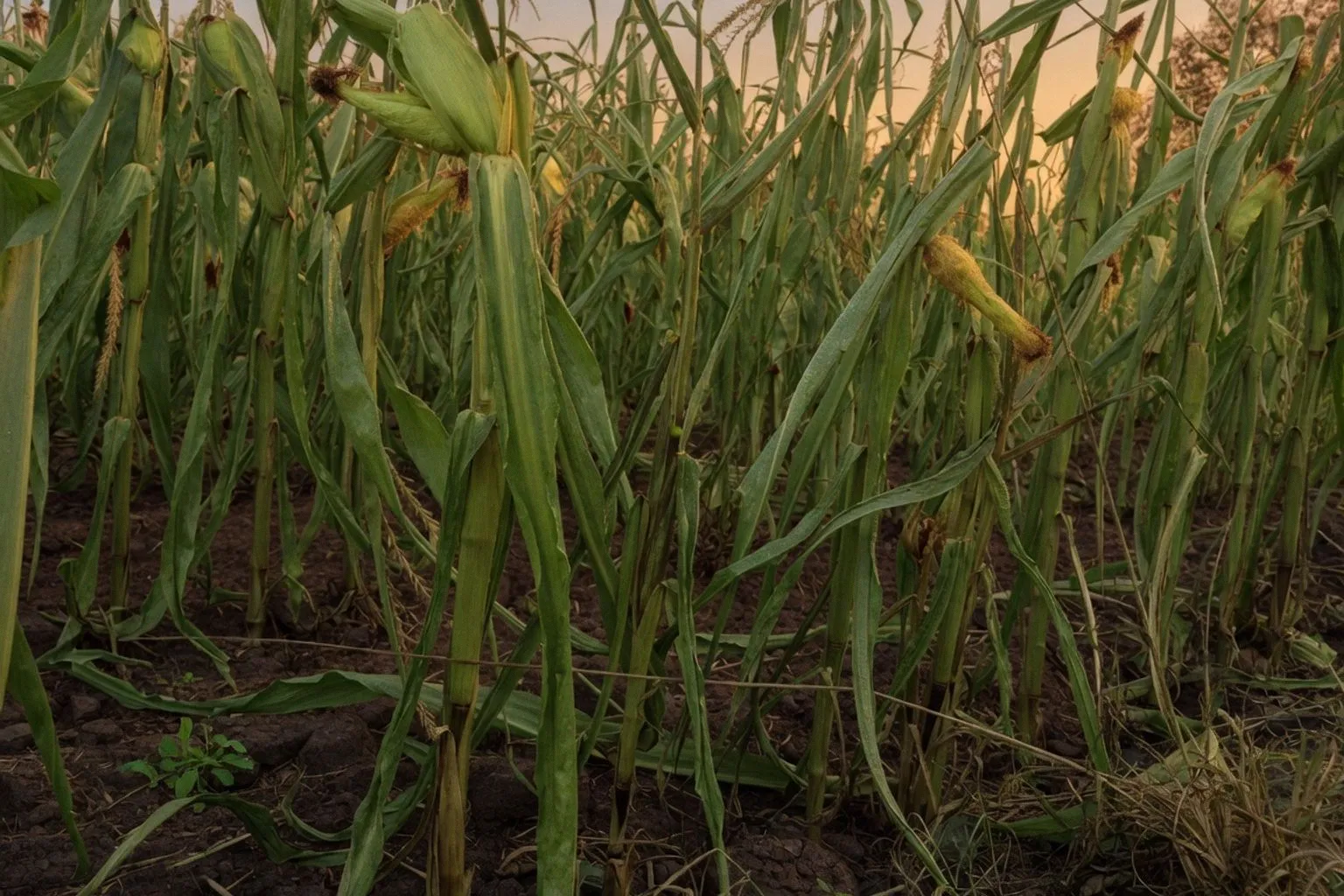
Drought-tolerant maize and pathogen-resistant potatoes carry different implications: altered water-use efficiency and reduced pathogen load can shift macronutrient and micronutrient profiles in ways that require baseline and post-cultivation compositional data before any metabolic claims are substantiated. The regulation's mandatory monitoring of sustainability impacts provides a mechanism for this, though bioavailability and pharmacokinetic effects on consumers remain unaddressed in the current text.
What to Verify Before Drawing Conclusions
Several checkpoints determine whether these crops will translate into measurable nutritional outcomes:
- Label verification: NGT-1 disclosure on seed and reproductive material allows traceability back to specific varieties in the EU database.
- Compositional data: Request published amino acid, mineral, and antinutrient profiles for any NGT-derived food product before assuming equivalence with conventional counterparts.
- Organic exclusion: NGTs are prohibited in organic production; technically unavoidable presence of NGT-1 at low levels will not constitute non-compliance, so certified organic status remains a meaningful filter.
- Patent landscape: NGTs are patentable except for naturally occurring traits — bioavailability and formulation claims attached to patented varieties warrant additional scrutiny for independence.
- Timeline: The regulation applies two years after publication in the EU Official Journal; market availability in Europe will lag current non-EU product launches.
The framework is structurally sound for traceability, but metabolic and clinical evidence must be evaluated independently of breeding provenance. The regulation governs how these plants reach the market, not whether they deliver a documented nutritional benefit.