From soil to gut: why your gut health depends on the world around you
Every bite you take is a conversation with the soil. That might sound poetic, but new research on the "One Health" framework is making it increasingly literal: the microbial diversity beneath our…
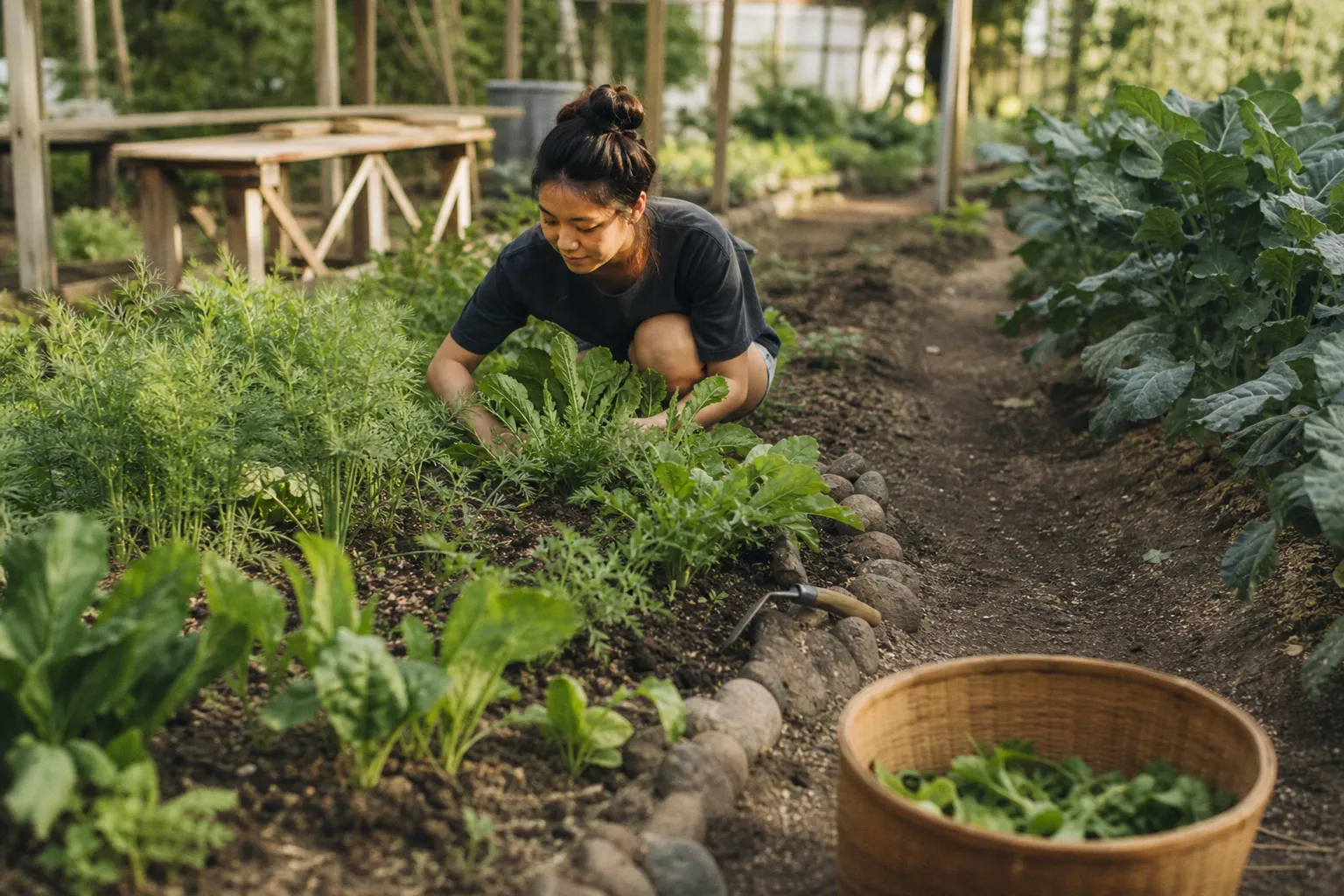
Every bite you take is a conversation with the soil. That might sound poetic, but new research on the "One Health" framework is making it increasingly literal: the microbial diversity beneath our feet directly shapes the richness of bacteria that end up in our gut — and from there, influences everything from immune defence to how we metabolize a simple plate of vegetables. For anyone who thinks of gut health as a probiotic supplement or a yogurt habit, this is a wider, more grounded picture.
Soil is not dirt — it's a living microbiome transfer system
The concept at the heart of this research is elegantly simple: healthy, biodiverse soils pass beneficial microorganisms to the crops we eat. Those bacteria don't just cling to a carrot skin or lettuce leaf — they become part of our dietary microbial intake, contributing to the diversity of our own gut ecosystem. Think of it as an invisible harvest alongside the visible one. When soil biodiversity is rich, the food that grows in it carries a richer microbial signature. When soil is depleted — compacted, over-fertilized, stripped of organic life — that signature thins out. We've long talked about soil health in terms of nutrients and yield; now the conversation extends to the microbial inheritance we receive through our plates.
Your gut isn't a closed jar — it's a porous ecosystem
One of the most striking takeaways from this body of work is how continuously our gut microbiome interacts with the world around us. Researchers describe us as "holobionts" — not just individual organisms, but collectives of human cells and trillions of microbes that co-evolve together. Those microbes cycle through shared habitats: soil, water, plants, animals, our bodies, and back into the environment. Time spent in biodiverse outdoor settings introduces environmental microbes in ways that urban, indoor living simply cannot replicate. Even the animals we live with contribute; sharing space with pets is associated with greater skin and gut microbiome diversity, likely through the casual exchange of microbes via touch, shared surfaces, and outdoor activity. It's a tapestry of connection, not a wall between "inside" and "outside."
Same food, different bodies — the microbial variable
Perhaps the most practically significant insight is this: the very same food can produce different health effects in different people, depending on the microbial community already resident in their gut. Gut bacteria can convert plant-based compounds into protective molecules that inhibit pathogens like E. coli — but only if your particular microbiome contains the right bacterial species to perform that conversion. In other words, the benefit of a food is partly a negotiation between what's on your fork and what's already living in your gut. This is not a reason to despair; it's an invitation to diversify. A wider microbial diet — from fermented foods to varied plant sources, from outdoor time to the occasional embrace of a muddy garden — gives your gut more tools to work with.
What to carry with you
If there's one thread running through this research, it's that gut health begins long before the kitchen. The soil your food grows in, the environments you move through, the living creatures you share space with — all of it feeds the microbial richness that shapes your digestion, your immunity, even how you respond to a single meal. Practical steps emerge naturally: choose produce from farms that prioritize soil health when you can, spend time in green and biodiverse spaces, don't over-sanitize every surface of your domestic life, and eat a wide variety of plant-based foods to give your microbiome the broadest possible toolkit. Your gut, it turns out, is a reflection of the world you inhabit.