Healthcare industry trend watch: Week of June 22, 2026
Hypothesis to test: when primary care throughput contracts and AI accelerates upstream drug discovery, the structural bottleneck for diet-related chronic disease management shifts from "what molecule…
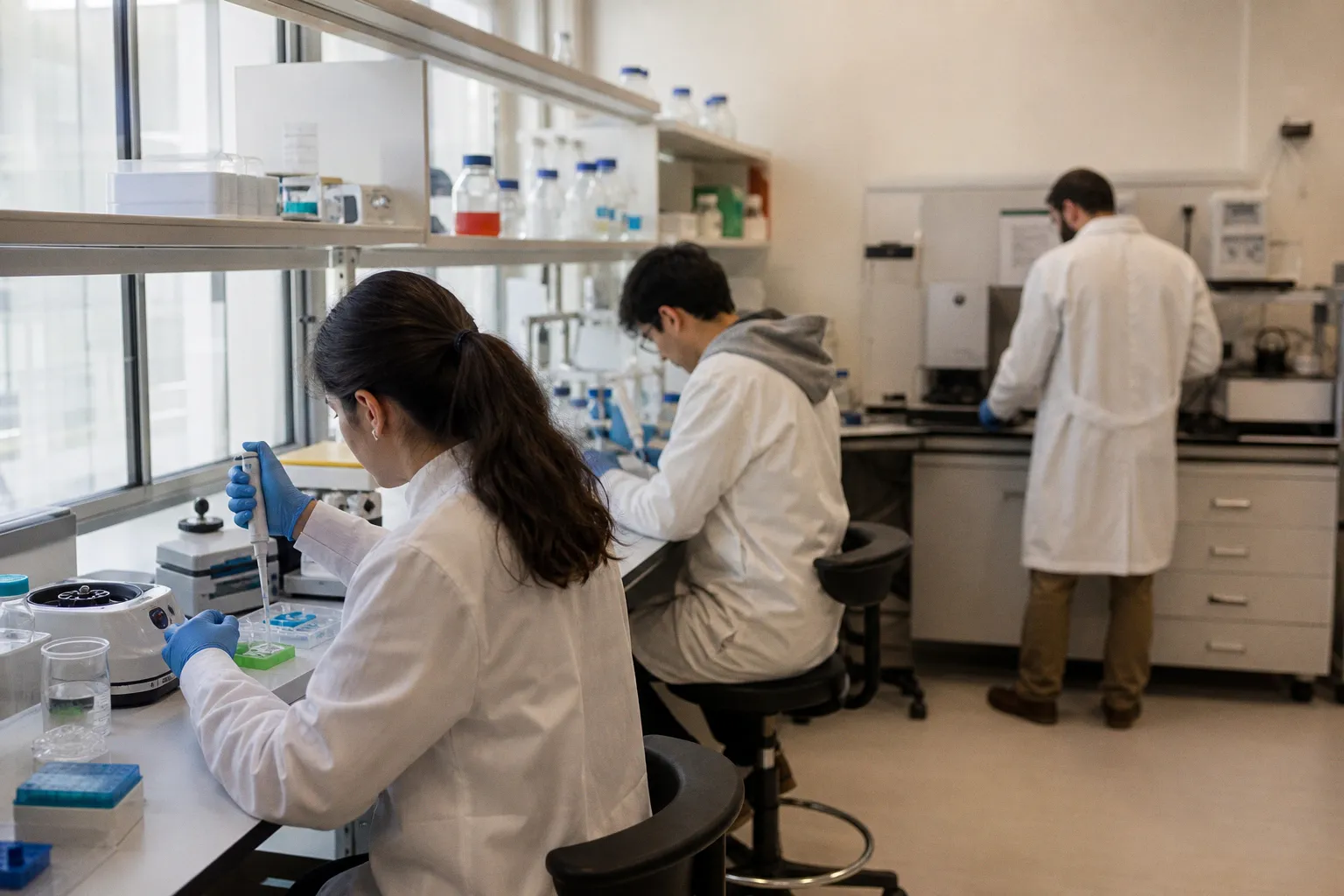
Hypothesis to test: when primary care throughput contracts and AI accelerates upstream drug discovery, the structural bottleneck for diet-related chronic disease management shifts from "what molecule exists" to "who has the clinical bandwidth to counsel the patient." Two industry signals from the week of June 22, 2026 are worth parsing through that lens.
The Burnout Data, Parsed
The Real Economy Blog summarizes American Medical Association measurements of physician burnout at 48.2% (2023), 43.2% (2024), and 41.9% (2025, defined as at least one symptom — emotional exhaustion, disengagement, reduced effectiveness, or cognitive fatigue). The trajectory is a marginal decline of roughly six percentage points across two reporting cycles; the absolute rate remains structurally elevated above 40%. The AMA's own framing attributes burnout to the work system — documentation load, prior authorizations, quality reporting, and patient portal message volume — rather than to individual physician resilience.
For the reader managing weight, prediabetes, dyslipidemia, or post-diagnosis type 2 diabetes through a primary care channel, the biochemical relevance is straightforward. Evidence-based metabolic care is not a single-visit intervention; it depends on iterative dietary counseling, medication titration, and longitudinal monitoring. A clinician functioning at documented cognitive fatigue thresholds has reduced capacity for that workflow. Reimbursement reform proposals — increased payment for evaluation and management services, care coordination, and longitudinal management — are identified by the source as a structural lever. Hybrid care delivery (in-person combined with virtual visits) and team-based workflows are presented as operational complements.
The AI Discovery Signal
Coverage of the 36Kr WAVES 2026 roundtable (held June 17, 2026 in Guangzhou, also reported by Pandaily) positions AI as an operational layer in pharmaceutical R&D rather than a peripheral tool. The discussion spans target discovery, molecular design, and accelerating IPO timelines for AI-driven pharma companies. One disclosed example is Wangshi Intelligence, described in the roundtable transcript as operating a microscopic world model with multi-agent collaboration, including a 3D small-molecule generation platform and a full-chain agent system. According to the source, the company reports collaborations with "hundreds of domestic and foreign pharmaceutical and scientific research institutions" and multiple pipelines reportedly advanced to clinical trials.
The relevant variable for nutrition and metabolism will be published pharmacokinetic, bioavailability, and efficacy data — not platform announcements. Until peer-reviewed endpoints are available, AI-discovered candidates affecting appetite regulation, glucose homeostasis, or lipid metabolism remain in the speculative phase.
Practical Verification Steps
- Track subsequent AMA burnout releases: confirm whether the 2023–2025 downtrend continues or plateaus; rates above 40% indicate persistent systemic constraint on primary care bandwidth.
- Monitor CMS and commercial payer updates on evaluation-and-management reimbursement, as policy shifts directly affect clinic capacity for nutrition counseling time.
- For any AI-discovered metabolic candidate, locate the registered trial record (ClinicalTrials.gov or analogous registry) and wait for primary endpoint readout before interpreting therapeutic potential.
- If your own primary care visits feel abbreviated, request a dedicated follow-up specifically for dietary intervention — explicitly distinguishing it from acute-issue visits may improve documentation of medical necessity.