Why saving the critically endangered axolotl matters for human health research
There's a small creature waddling through the shrinking canals south of Mexico City whose fate may quietly shape the future of human medicine, and a recent CBS News feature asks us to pay attention.
The creature, and why its disappearance would be medical, not just ecological
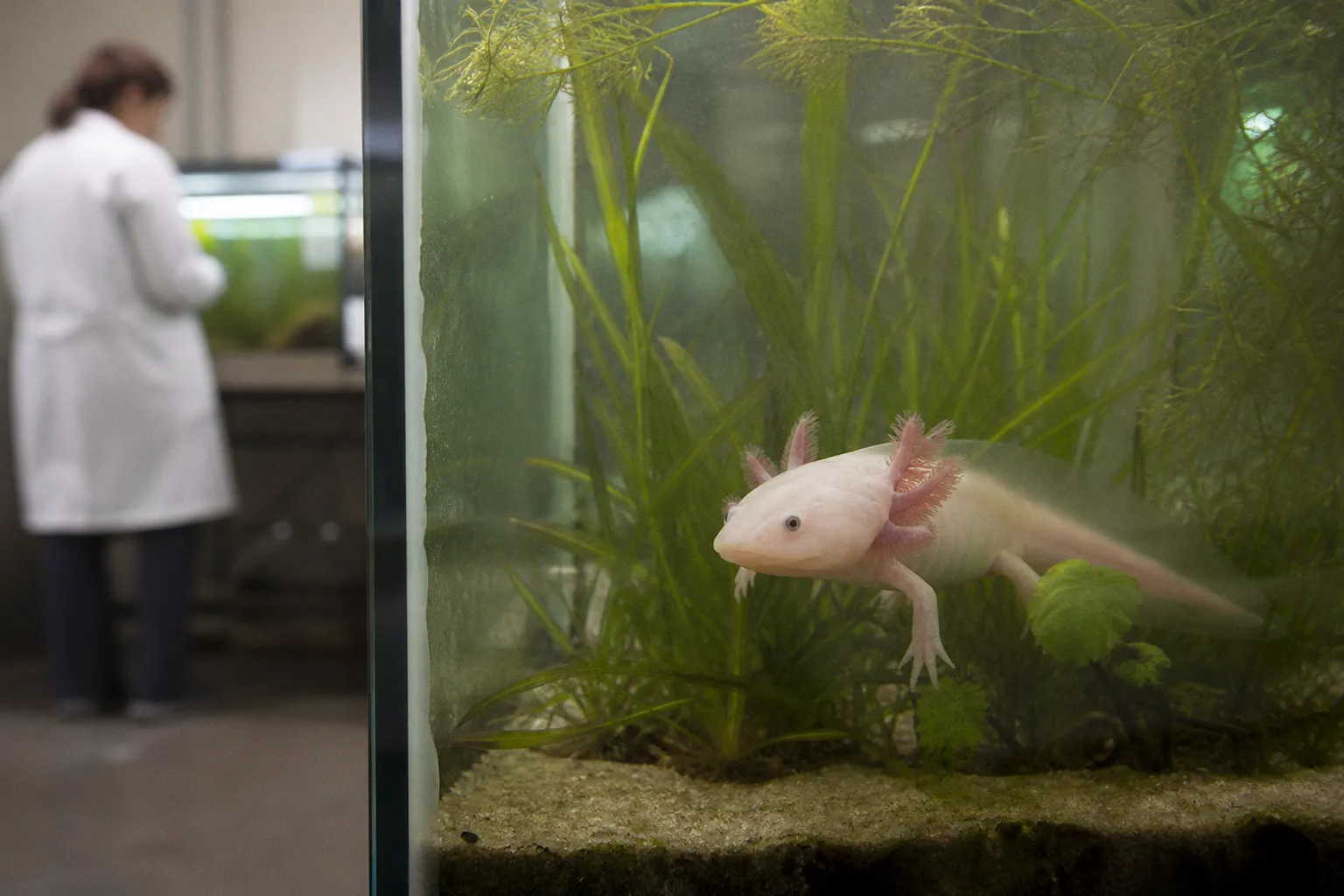
I want you to picture the axolotl for a moment: feathery external gills fanning like soft coral, a perpetual smile, and an almost magical capacity to regrow not only tails but portions of heart and brain tissue. These are not party tricks of evolution; they are a living library of biological instructions that laboratories have been reading for decades, precisely the reason CBS News argues that the species' critical endangerment sends quiet shockwaves through human health research. The deeper the axolotl slips toward extinction, the more chapters of that library risk closing before we have finished translating them, and the report frames that loss as a medical one as much as an ecological one.
Why this belongs in a conversation about diet and the body
Here is the thread I keep pulling on, the one that connects a Mexican salamander to the food and nutrition questions I usually sit with: the cellular machinery that allows an axolotl to regenerate tissue is not alien to your body. It is a distant cousin of pathways your own cells use to repair, to calm inflammation, and to manage the daily turnover of tissue that good nutrition quietly supports. When a species carrying that genetic wisdom disappears from a wetland, we do not merely lose a curiosity. We lose potential keys to understanding how our own tissues recover, adapt, and sometimes fail, which is why the boundary between conservation and clinical science is thinner than we tend to admit at the dinner table.
What to watch and how to hold this story
The honest caveat is that the CBS News piece circulates here primarily through its headline and framing, and the granular scientific detail sits inside the full report. I would rather walk with you to the edge of what is confirmed than stride past it: according to the source, the axolotl is critically endangered, and according to the same source, that status carries direct consequences for human health research. The practical takeaway is modest but worth carrying into the week. When a headline names a species as critically endangered, resist the instinct to treat it as distant scenery. The axolotl is a reminder that the medicine of the next thirty years may well be written in the genetics of creatures we have not yet bothered to save, and that a pond drying in Xochimilco and a nutrition study on your reading list are, quietly, part of the same tapestry.